Category: World Cup

  • The Christmas Truce of 1914: When War Stopped for Football

    The Christmas Truce of 1914: When War Stopped for Football

    War… and then Silence

    In December 1914, just months after World War I began, Europe was already drowning in blood.

    The Western Front in Belgium and France was a frozen battlefield of mud, barbed wire and death. British and German soldiers were positioned just 270 meters apart, separated by what was known as No Man’s Land.

    And then, something impossible happened.

    On Christmas Eve, German soldiers began singing “Stille Nacht” (Silent Night) from their trenches.

    The British responded with their own carols.

    Instead of gunfire, there was music.

    Instead of artillery, there were voices.

    And then came the words that changed everything:

    “Tomorrow, you don’t shoot. We won’t shoot.”


    🤝 The Truce in No Man’s Land

    On December 25th, soldiers cautiously stepped into No Man’s Land.

    No one fired.

    They shook hands.
    They buried their dead.
    They exchanged chocolate, cigarettes, buttons, and small gifts sent from home.

    For a brief moment, enemies became human again.

    Many officers reluctantly allowed it. Others later tried to suppress it.

    But history had already been written.


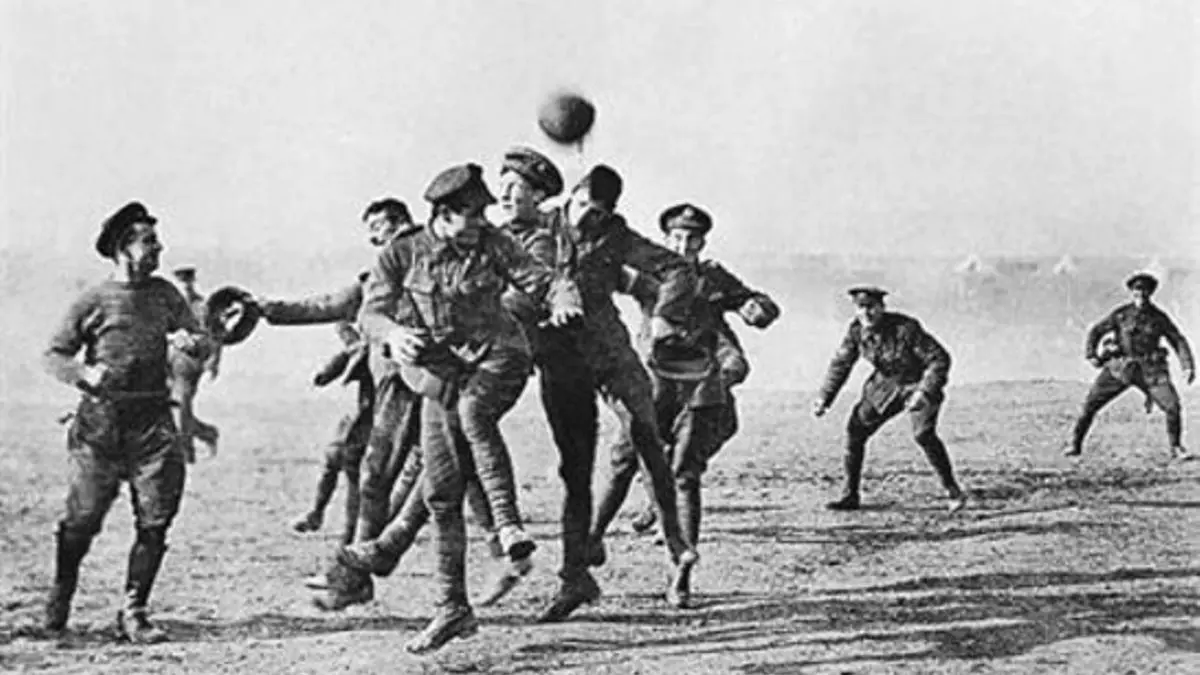
    ⚽ The Football Match That Shouldn’t Have Happened

    And then — a football appeared.

    According to testimonies, a Scottish soldier brought the ball into No Man’s Land. Soon, German and British soldiers formed teams.

    There were no proper goals.
    No referee.
    No official rules.
    Helmets were used as posts.

    The pitch was frozen.
    The war was not.

    But for about an hour… football won.

    Some reports say Germany won 3-2.
    Others say the result doesn’t matter.

    Because the real victory wasn’t the scoreline.

    It was humanity.


    🎥 From History to Pop Culture

    In 1983, Paul McCartney released Pipes of Peace, a music video recreating the truce and the football match.

    In 2014, the centenary year, FIFA inaugurated a monument near Ypres, Belgium, commemorating what many call:

    The most beautiful football match ever played.


    ❄️ Why It Still Matters

    The war continued for four more devastating years.
    Millions died.

    There was never another Christmas like 1914.

    But the letters and diaries of those soldiers tell us something powerful:

    Even in the darkest moments, football can unite what politics divides.

    And maybe that is why this remains one of the most extraordinary chapters in the history of the game.
  • The Fan Who Lifted a Legend: The Story of Roberto Cejas Before Immortality

    The Fan Who Lifted a Legend: The Story of Roberto Cejas Before Immortality

    Some football images live forever. Not because they were planned, but because they captured something real.

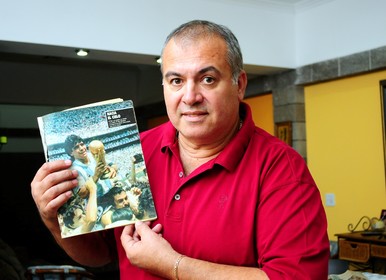
    One of those moments happened on June 29, 1986, at the Estadio Azteca. Argentina had just won the World Cup. Diego Maradona, captain and symbol of that team, was celebrating with the trophy. And beneath him, holding him up, was not a teammate, a security guard, or a staff member — but a fan.

    That fan was Roberto Cejas.

    A Regular Supporter With an Extraordinary Journey

    Before becoming part of football history, Roberto Cejas was simply an Argentine supporter from Santa Fe. He was not famous, not connected to football institutions, and not looking for recognition. Like many others in the 1980s, he saw the national team as a source of pride and identity.

    When Argentina reached the final of the 1986 World Cup, Cejas made a promise to himself: if the team reached the last match, he would travel to Mexico. And he did — despite the cost, the difficulties, and the uncertainty.

    He attended the final from behind the goal, living the match like any other fan: nervous, hopeful, emotional.

    The Moment That Changed Everything

    When the final whistle confirmed Argentina as world champions, chaos and joy took over the stadium. Thousands of fans invaded the pitch. In the middle of that celebration, Cejas found himself face to face with Maradona.

    There was no plan. No words. Just a look.

    Maradona climbed onto his shoulders, holding the World Cup trophy, and together they ran across the field. For a brief moment, the greatest player on earth was lifted by the people he represented.

    The image traveled across the world and became one of the most iconic photographs in football history.

    A Symbol Without Intention

    Roberto Cejas never tried to become a symbol. But that is exactly what he became.

    His gesture represented something deeper than celebration: the connection between an idol and the fans, between glory and the streets, between football and the people who live it.

    Years later, Cejas would reunite with Maradona, laugh about that afternoon, and reflect on how a single second can define a lifetime.

    He carried Maradona only for a few meters — but that image will be carried forever.

  • The Mexican Fan Who Extinguished Paris’ Eternal Flame During the 1998 World Cup

    The Mexican Fan Who Extinguished Paris’ Eternal Flame During the 1998 World Cup

    During the 1998 FIFA World Cup in France, an incident occurred that would go down not in official match records, but in football folklore.

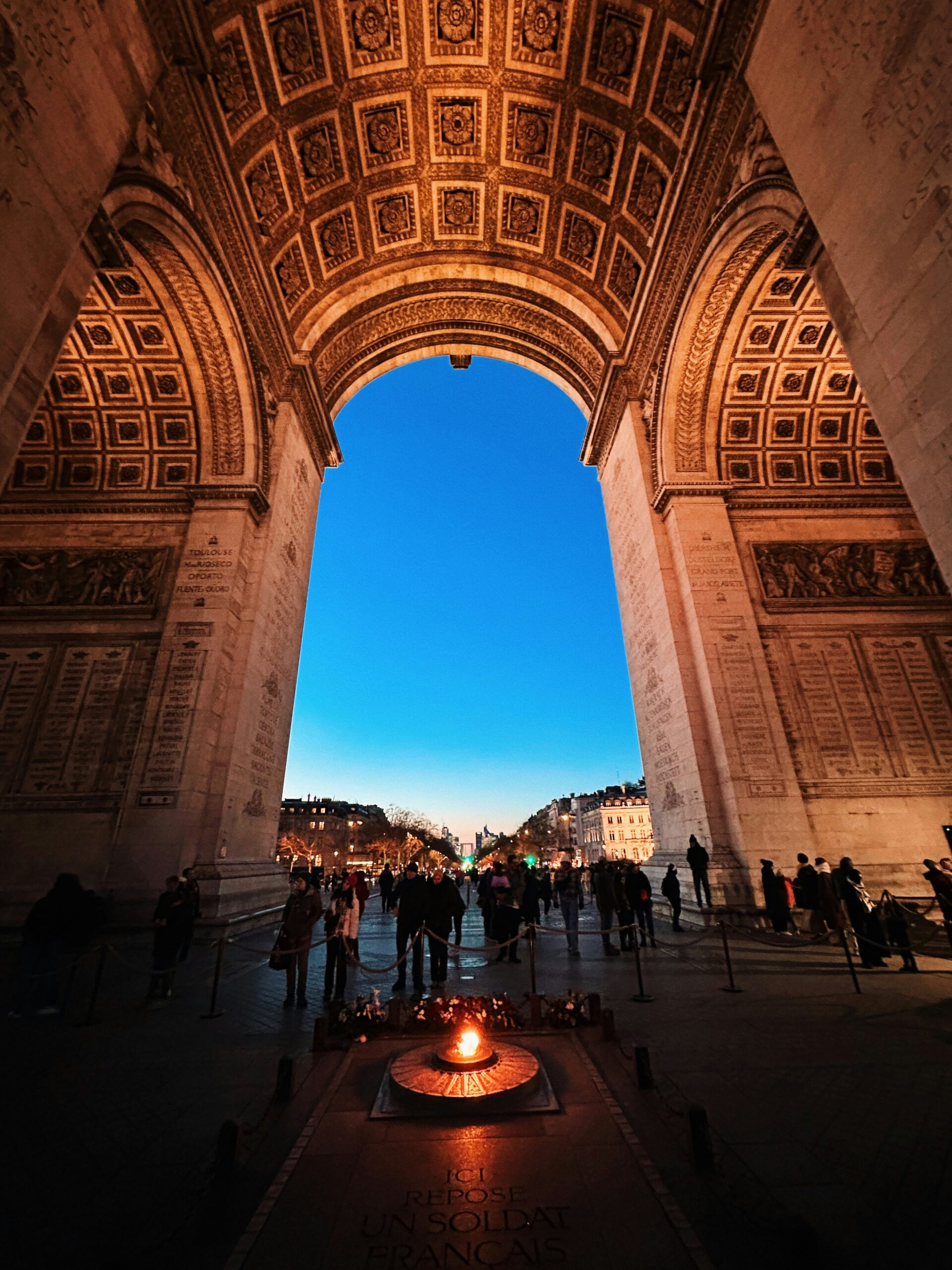
    Near the Arc de Triomphe in Paris burns the Eternal Flame, lit in 1921 to honor the Unknown Soldier of World War I. It is a deeply symbolic memorial and one of the most solemn sites in the city.

    In July 1998, in the middle of World Cup celebrations, a 24-year-old Mexican football fan was arrested after the Eternal Flame was suddenly extinguished. French authorities charged him with public intoxication and “insulting the memory of the dead.”

    What exactly happened?

    Contemporary reports from the time state that the man poured a liquid onto the flame, causing it to go out. He was detained, questioned, and later released. The flame was quickly relit, and the memorial itself was not damaged.

    However, as the story traveled across borders—especially through Latin American media and fan conversations—the details evolved. Over time, the anecdote transformed into a much more outrageous version:
    that the fan had urinated on the Eternal Flame, extinguishing it.

    To this day, that version remains unconfirmed by official records, yet it has become the most widely repeated one. Whether exaggeration, misunderstanding, or pure myth-making, the story stuck.

    Today, the incident lives on as a bizarre footnote of World Cup history—a reminder of how football passion, alcohol, and mythology can collide, turning a brief police report into a legendary anecdote told and retold for decades.

    Sometimes, football history isn’t written in goals…
    but in stories no one forgets.